
Snubbing Units
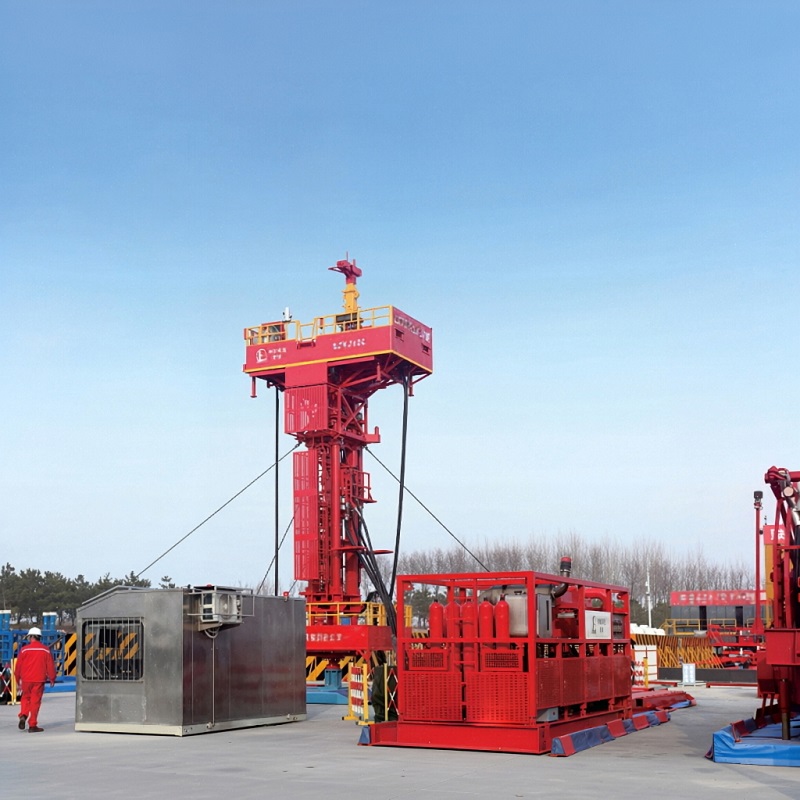
Snubbing and hydraulic workover units for low, medium, and high pressure wells across land and offshore jobs.
What buyers compare
Keep the decision points specific to this category.
- working pressure
- lifting load
- tubular size
- control system
- mounting type
- automation level
Technical highlights
Short, factual notes for the category.
Category products
Open the model pages for product-level details and parameters.
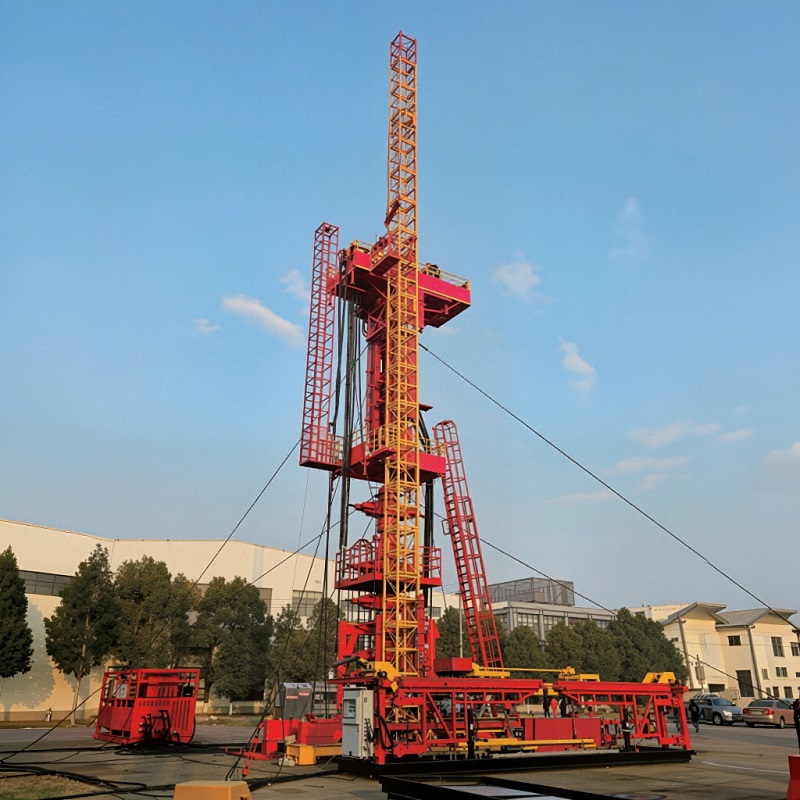
Automated Snubbing Unit
Multifunctional rotary manipulator realizes automatic handling and grabbing of operation tubular
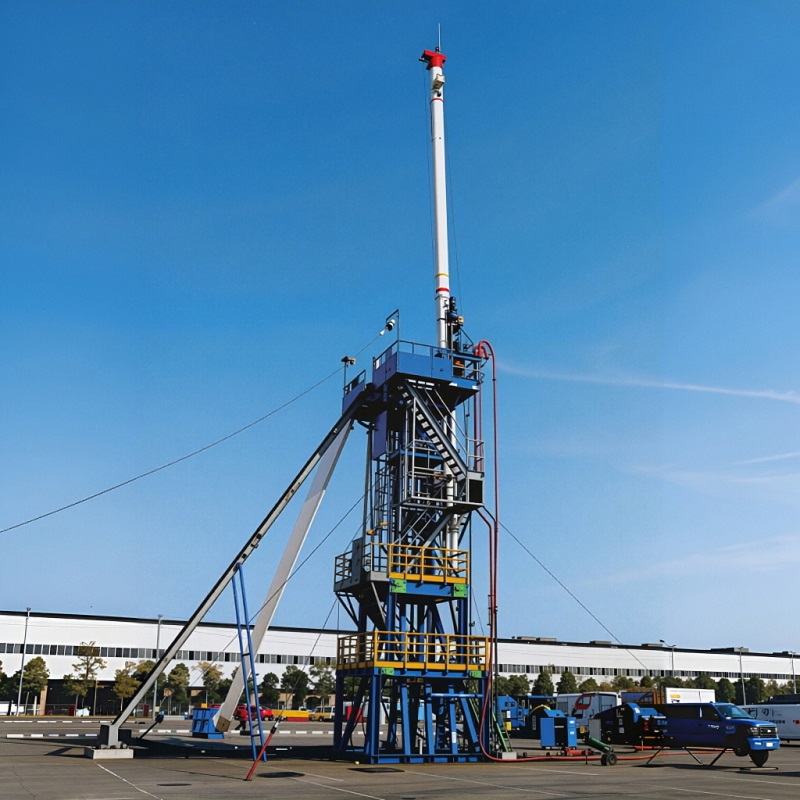
High Pressure Oil And Gas Wells
Suitable operating pressure 35 ~ 70 MPa, lifting load 700 ~ 1600 kN
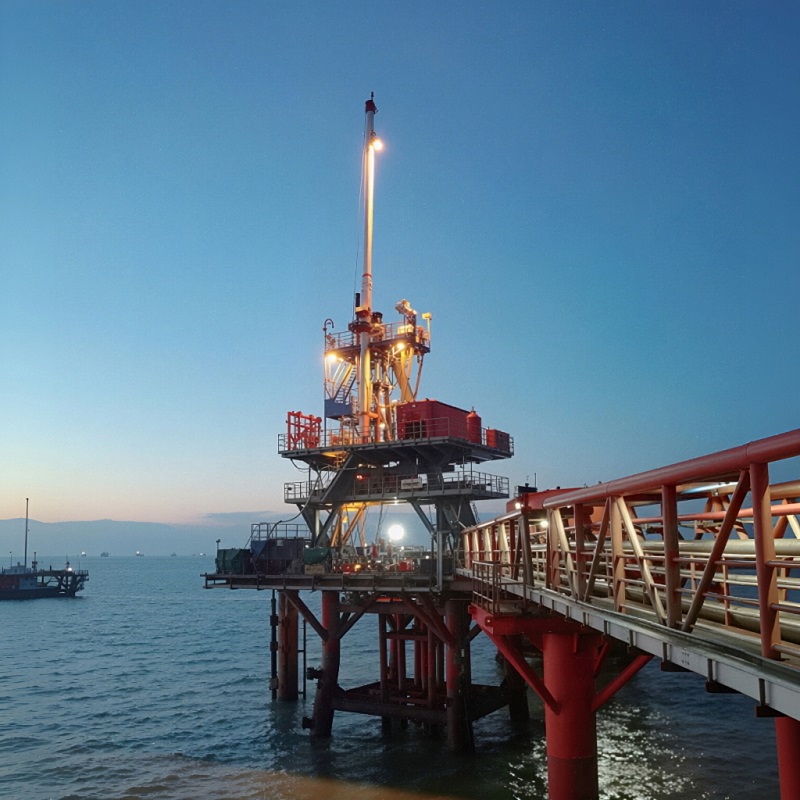
Hydraulic Workover Equipment
It is an innovative stand-alone full-hydraulic workover equipment based on our research experience of offshore workover rigs and
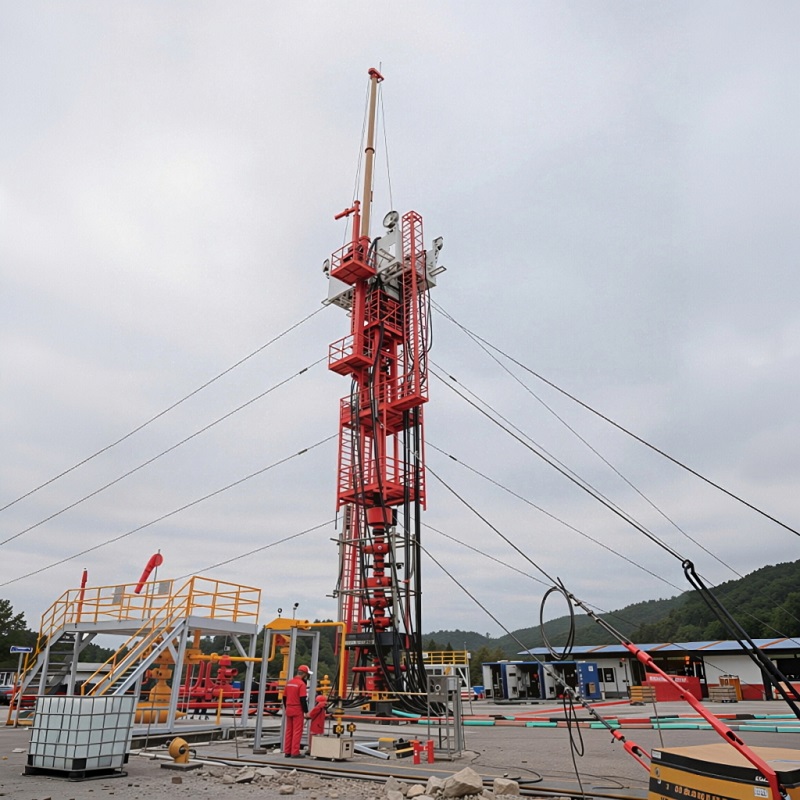
Medium And low Pressure Oil Well
Suitable for trip in and out of tubulars, flush by and well flush in the 21MPa working pressure
SDYJ160 Remote Control Snubbing Units
SDYJ160 Remote Control Snubbing Units for trailer-mounted, land operations.
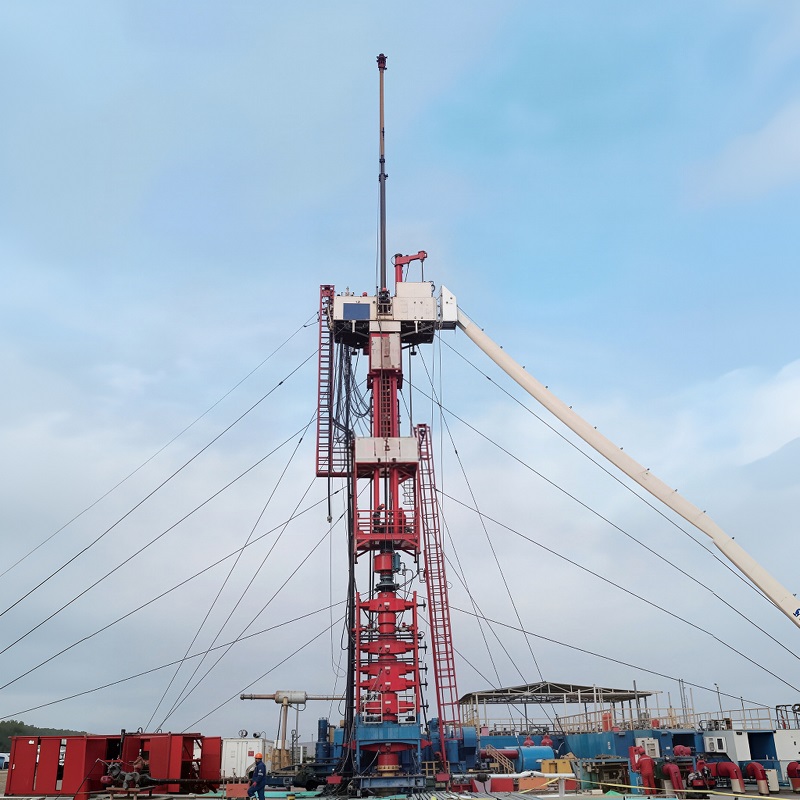
Snubbing Unit For Deep Oil And Gas Extraction
Suitable for snubbing operation for deep shale oil and gas, long lateral well (more than 2500m)
Adjacent equipment groups
Use these links to move into the closest product families.
Workover Rigs
Self-propelled, electric-drive, battery storage, LNG, cold-weather, desert, and mountain workover rigs for varied field conditions.
FamilyOffshore Equipment
Offshore drilling, workover, cementing, and fracturing equipment designed for platform installation and marine conditions.
FamilyHigh Pressure Fluid Control Products
High pressure manifolds, wellhead devices, lubricators, testing manifolds, and fluid control elements for demanding field use.
Application coverage
Where this family is usually used.
Next step
Ask for the matching model with your working condition, capacity target, and mounting preference.
Request a QuoteNews and FAQ
Use these links to move from family selection to the buyer questions that shape it.
Cold-weather and desert rigs solve different problems
Climate adaptation is not cosmetic; it affects insulation, filtration, heating, and mobility choices.
NewsOffshore equipment design factors buyers should inspect
Platform compatibility, anticorrosion treatment, and lifting module weight often decide offshore fit.
FAQHow do I choose the right model?
Start from the working condition, target capacity, mounting type, and control preference. Then compare the category-specific fields on the product page before asking for a quotation.
FAQWhat technical information do you need before quotation?
Normally we need the operating environment, target capacity, pressure or load requirement, mounting preference, and any site limitations such as road, climate, or platform space.
FAQCan the equipment be customized for different working conditions?
Yes. The product families in this site are organized by working condition, drive system, and mounting type, which makes customization discussion more direct.
How to read this family
A short buyer note that explains the decision points behind the page.
Working pressure, lifting load, tubular size, and control system are the main comparison fields.
The package should stay aligned with the well condition, because snubbing is a control-heavy job rather than a generic lift.
Mounting type and automation level affect whether the unit stays practical in land or offshore service.
A buyer will usually ask how the pressure-control stack, hydraulic package, and tubular range fit together on a real well.
If the site is offshore or space-limited, installation sequence and deck access can matter as much as the rated load.
Extra selection notes
A short expansion for families that need more buyer-facing explanation.
Snubbing Units should be read as a pressure-control package first and a lifting package second.
Working pressure, tubular size, and control system need to line up or the unit will not stay practical on a real well.
If the site is offshore, deck space and lifting access should be checked before the buyer signs off.
The page becomes more useful when it explains how the well condition changes the choice of unit.
A snubbing page is easier to trust when it explains the pressure-control stack instead of only the frame and load numbers.
Remote or automated control matters most when the well gives the crew very little room to correct a mistake.