
Offshore Equipment
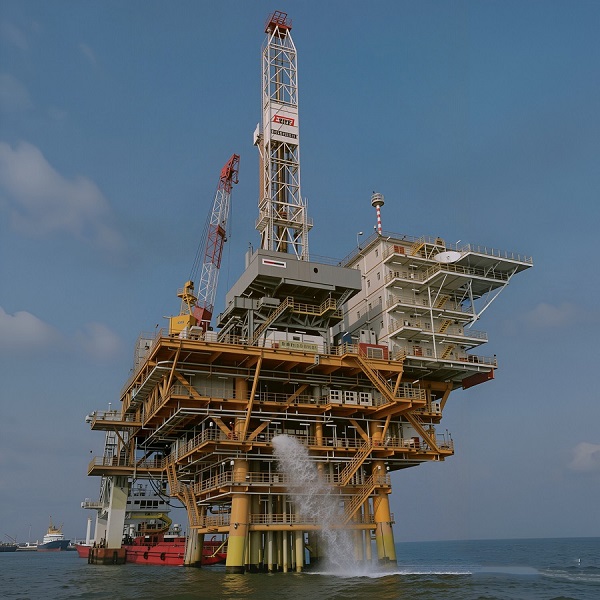
Offshore drilling, workover, cementing, and fracturing equipment designed for platform installation and marine conditions.
What buyers compare
Keep the decision points specific to this category.
- platform type
- anticorrosion protection
- explosion-proof design
- module weight
- installation method
Technical highlights
Short, factual notes for the category.
Category products
Open the model pages for product-level details and parameters.
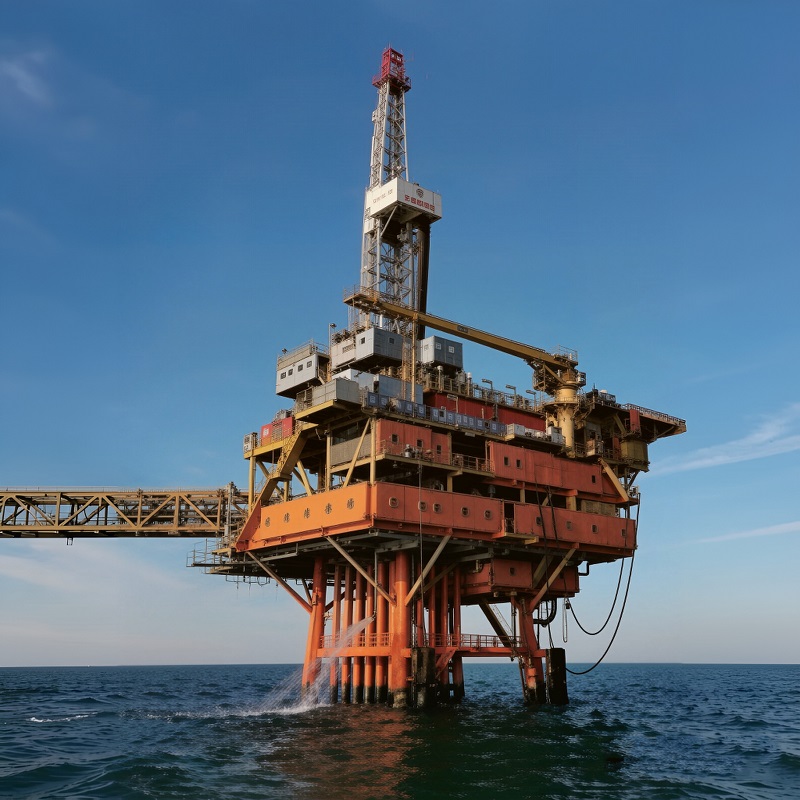
Fixed Platform Workover Rig
The upper and lower sliding double-layer substructure which can slide up and down can be longitudinally and horizontally sliding to each
HZJ315DD Lightweight Fixed Offshore Drilling Rig
Optimized module design, 30% lighter than the same type of offshore drilling rig
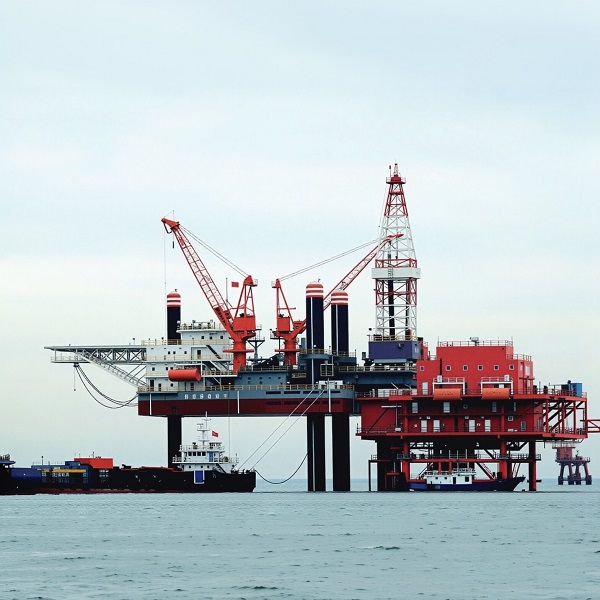
Jack Up Drilling Rig
Jack Up Drilling Rig: Derrick 56 m
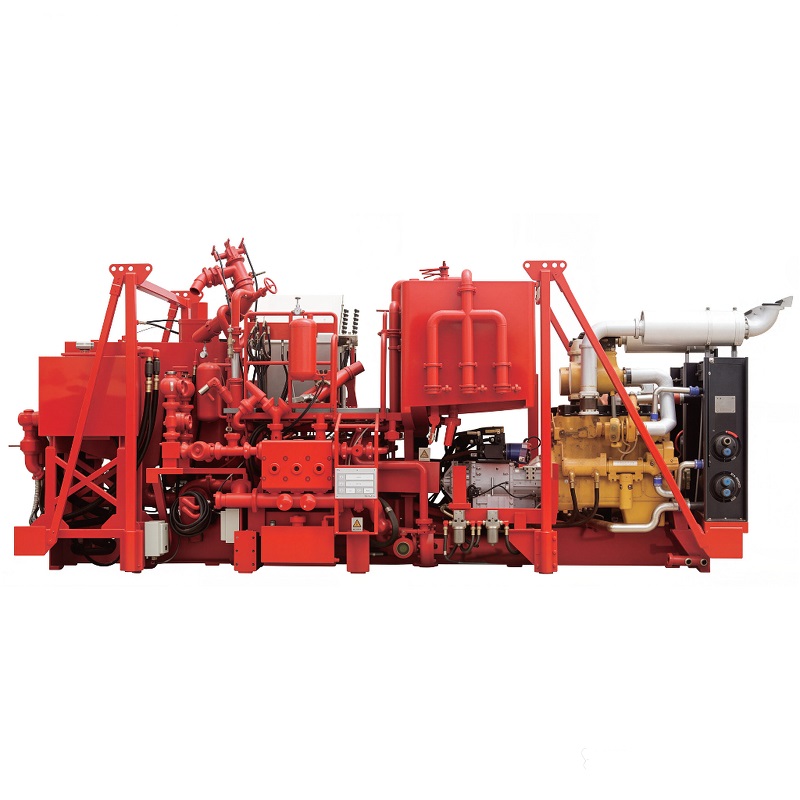
Offshore Cementing Equipment
Offshore Cementing Equipment for desert operations, offshore service.
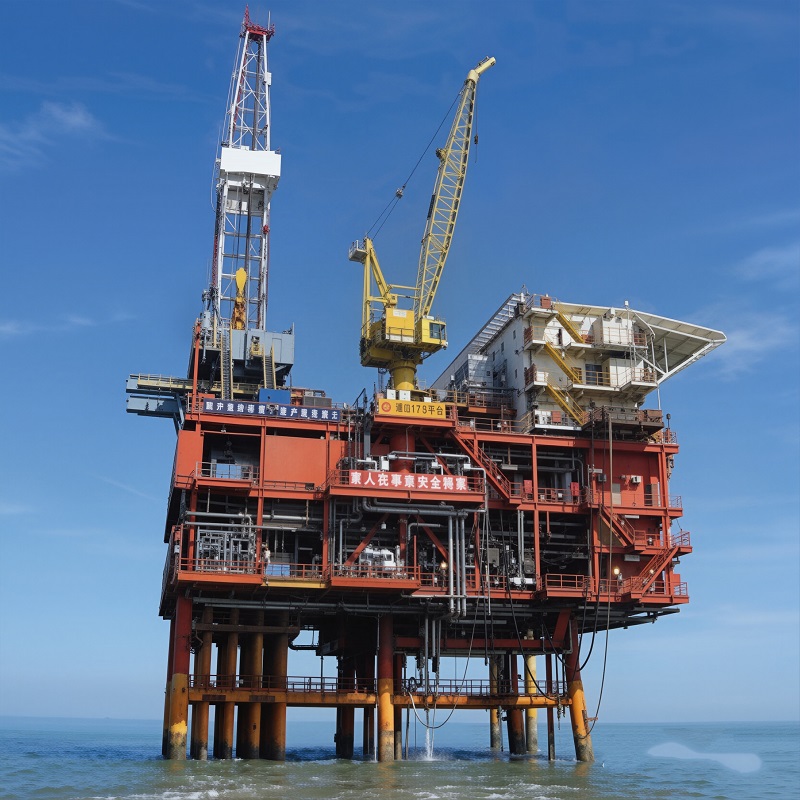
Removable Offshore Workover Rig
Platform crane can be used for mobilization, no need to use floating crane, which can reduce costs and improve equipment utilization
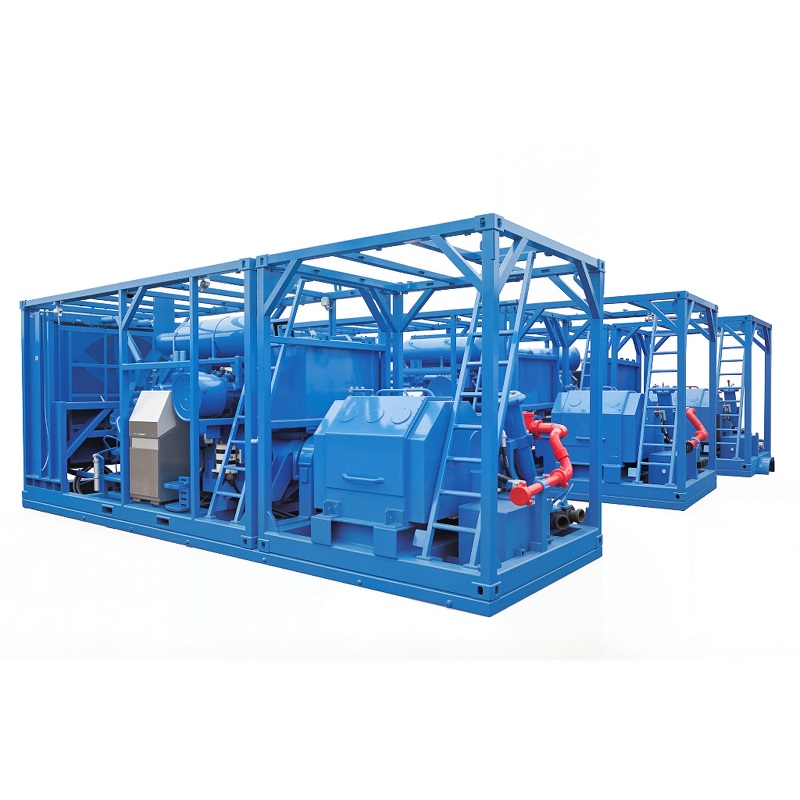
SYLQ2000 1050 Fracturing Skid
SYLQ2000 1050 Fracturing Skid for offshore service, high pressure.
Adjacent equipment groups
Use these links to move into the closest product families.
Workover Rigs
Self-propelled, electric-drive, battery storage, LNG, cold-weather, desert, and mountain workover rigs for varied field conditions.
FamilyCementing Equipment
Cementing equipment for truck, trailer, and skid-mounted operations in land, desert, and offshore projects.
FamilyFracturing Equipment
Fracturing equipment covering electric skids, pump trucks, sand blending units, and continuous mixing systems.
Application coverage
Where this family is usually used.
Next step
Ask for the matching model with your working condition, capacity target, and mounting preference.
Request a QuoteNews and FAQ
Use these links to move from family selection to the buyer questions that shape it.
Offshore equipment design factors buyers should inspect
Platform compatibility, anticorrosion treatment, and lifting module weight often decide offshore fit.
NewsCold-weather and desert rigs solve different problems
Climate adaptation is not cosmetic; it affects insulation, filtration, heating, and mobility choices.
FAQHow do I choose the right model?
Start from the working condition, target capacity, mounting type, and control preference. Then compare the category-specific fields on the product page before asking for a quotation.
FAQWhat technical information do you need before quotation?
Normally we need the operating environment, target capacity, pressure or load requirement, mounting preference, and any site limitations such as road, climate, or platform space.
FAQWhat is the usual delivery and shipping process?
After model confirmation, the equipment is prepared according to the agreed configuration, then packed and shipped according to the destination and transport mode.
How to read this family
A short buyer note that explains the decision points behind the page.
Platform type, module weight, corrosion protection, and installation method are the practical buying filters.
The page should show how the package fits the deck and lifting plan before any optional details appear.
Offshore buyers care about marine handling and access as much as the equipment name itself.
A package that looks compact on paper still needs to clear crane reach, walkways, and maintenance access in the real installation plan.
For marine buyers, the equipment is only useful when the platform fit is clear before the detail list starts.
Extra selection notes
A short expansion for families that need more buyer-facing explanation.
Offshore Equipment is only useful when the platform can accept it without forcing extra rework into the deck plan.
Corrosion control, lifting access, and maintenance clearance should be read as one installation problem.
A buyer will care whether the equipment fits the platform before any optional feature becomes relevant.
For offshore pages, installation logic is part of the product, not a side note.
Offshore buyers usually want the first question answered fast: can the package fit the platform and be lifted safely.
A page that separates deck fit from the rest of the specification is easier to trust.