
Pumping Unit
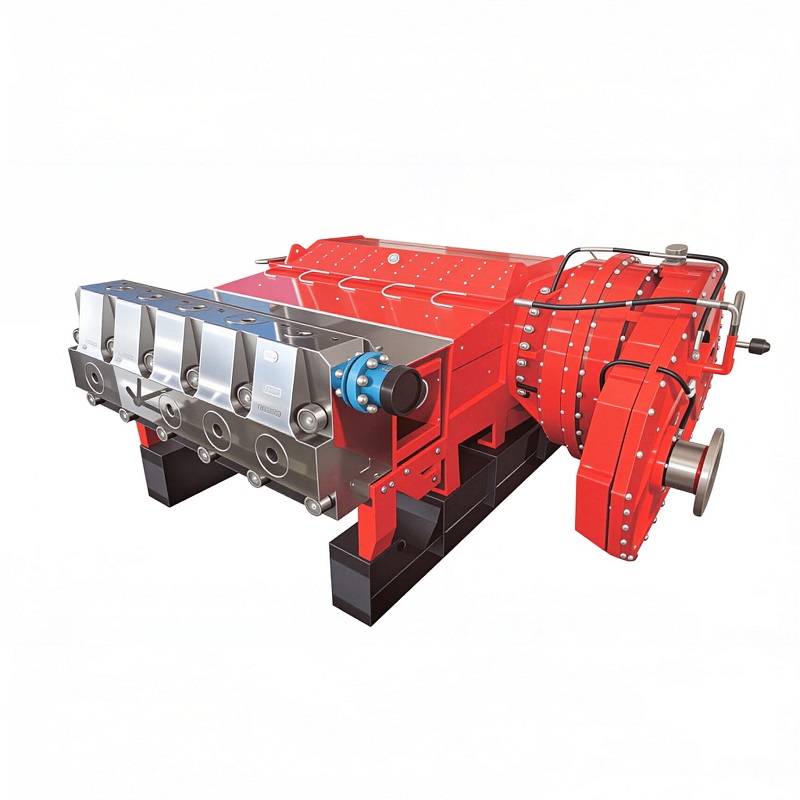
Pump families for mud circulation, plunger service, fracturing duty, and skid-mounted field deployment.
What buyers compare
Keep the decision points specific to this category.
- pump type
- rated power
- pressure
- stroke or displacement
- fluid end design
- drive type
Technical highlights
Short, factual notes for the category.
Category products
Open the model pages for product-level details and parameters.
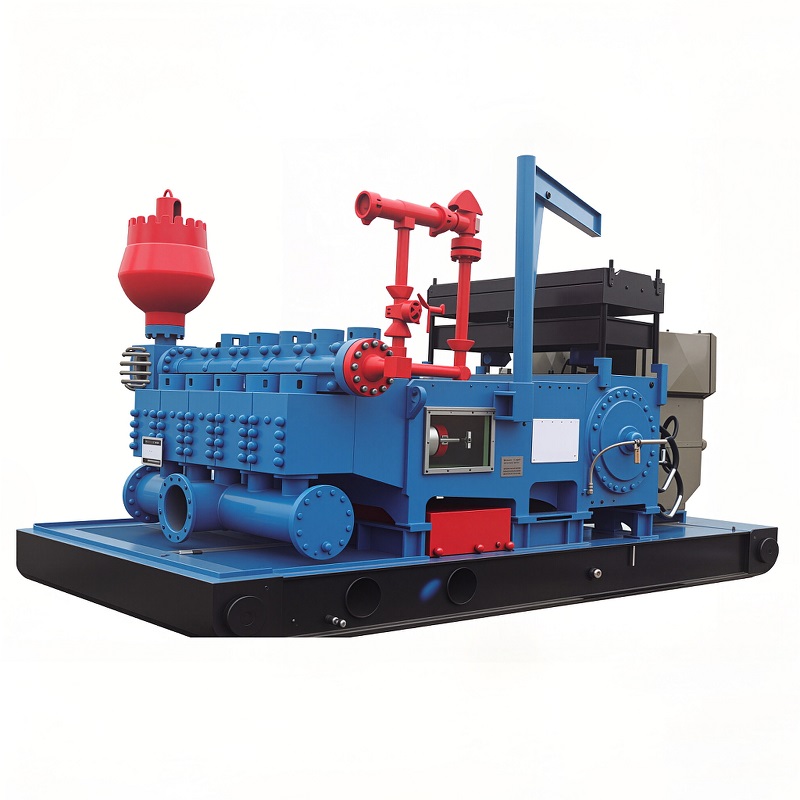
Drilling Mud Pump
Capture the long stroke, low SPM and L-shape fluid end, manifold forging technology, improve the service life of high pressure
SCF5000 Continuous Full Load Fracturing Pump
SCF5000 Continuous Full Load Fracturing Pump for continuous duty.
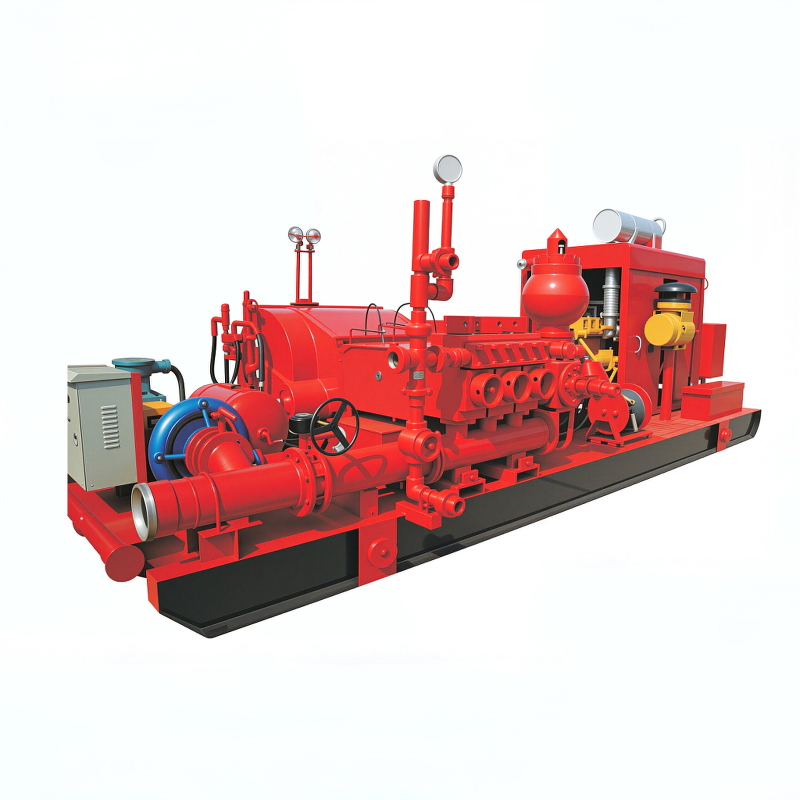
Skid Mounted Pumps
Meeting the operation engineering requirements, good consistency of device interface
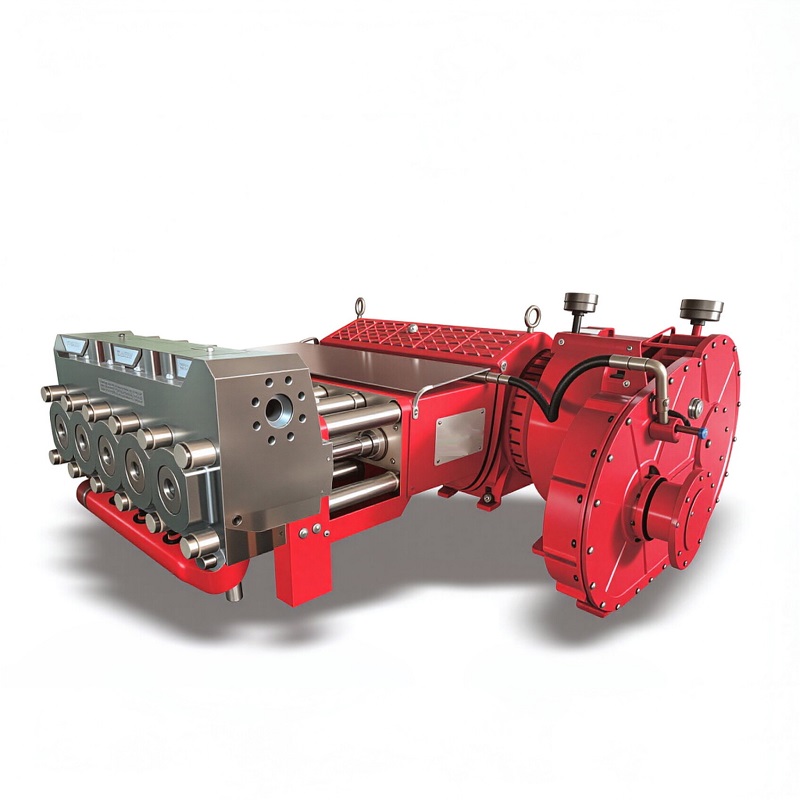
SQP3300 Quintuplet Fracturing Pump
Based on advanced design and manufacturing technologies, SJ second-generation stainless steel material is adopted;
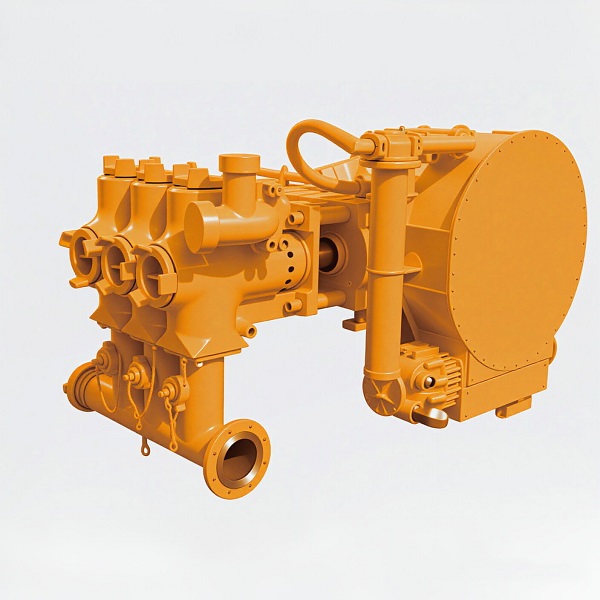
STP600 Plunger Pump
STP600 Plunger Pump for electric drive, desert operations.
Adjacent equipment groups
Use these links to move into the closest product families.
Fracturing Equipment
Fracturing equipment covering electric skids, pump trucks, sand blending units, and continuous mixing systems.
FamilyCementing Equipment
Cementing equipment for truck, trailer, and skid-mounted operations in land, desert, and offshore projects.
FamilyHigh Pressure Fluid Control Products
High pressure manifolds, wellhead devices, lubricators, testing manifolds, and fluid control elements for demanding field use.
Application coverage
Where this family is usually used.
Next step
Ask for the matching model with your working condition, capacity target, and mounting preference.
Request a QuoteNews and FAQ
Use these links to move from family selection to the buyer questions that shape it.
Electric fracturing skids versus truck-mounted systems
A buyer-focused comparison of power source, mobility, and continuous working conditions.
NewsWhy high-pressure manifolds need clear control logic
Remote control, local control, and interlock design reduce risk during high-pressure operations.
FAQHow do I choose the right model?
Start from the working condition, target capacity, mounting type, and control preference. Then compare the category-specific fields on the product page before asking for a quotation.
FAQWhat technical information do you need before quotation?
Normally we need the operating environment, target capacity, pressure or load requirement, mounting preference, and any site limitations such as road, climate, or platform space.
FAQDo you provide parameter tables?
Yes, when the source document includes a real parameter table image, the product detail page shows it in a dedicated parameter section.
How to read this family
A short buyer note that explains the decision points behind the page.
Pump type, rated power, pressure, stroke or displacement, and fluid-end design are the first filter points.
The page should help the buyer see whether the unit is closer to mud circulation, plunger service, or fracturing duty.
Drive type and installation form matter because they change the operating rhythm on site.
A buyer also wants to know whether the pump is expected to work as a standalone machine or as part of a larger spread.
That detail matters because service access and duty cycle often decide the real fit more than the nameplate output.
The most helpful page explains the work role in plain terms so the buyer can compare pump families faster.
Extra selection notes
A short expansion for families that need more buyer-facing explanation.
Pumping Unit covers several service types, so the page should make the intended duty obvious before the buyer compares numbers.
Mud circulation, plunger service, and fracturing duty do not place the same demands on the pump or fluid end.
If the unit is skid mounted, tie-in and maintenance access should be read together with pressure and displacement.
A practical buying page shows what is being pumped, how hard the unit runs, and how it is installed on site.
It should also say whether the pump is expected to work as a stand-alone machine or as part of a larger spread.
That is often the difference between a useful shortlist and a page that just repeats the model name.