
Travelling Hook
Travelling hook component page for suspension and load handling work.
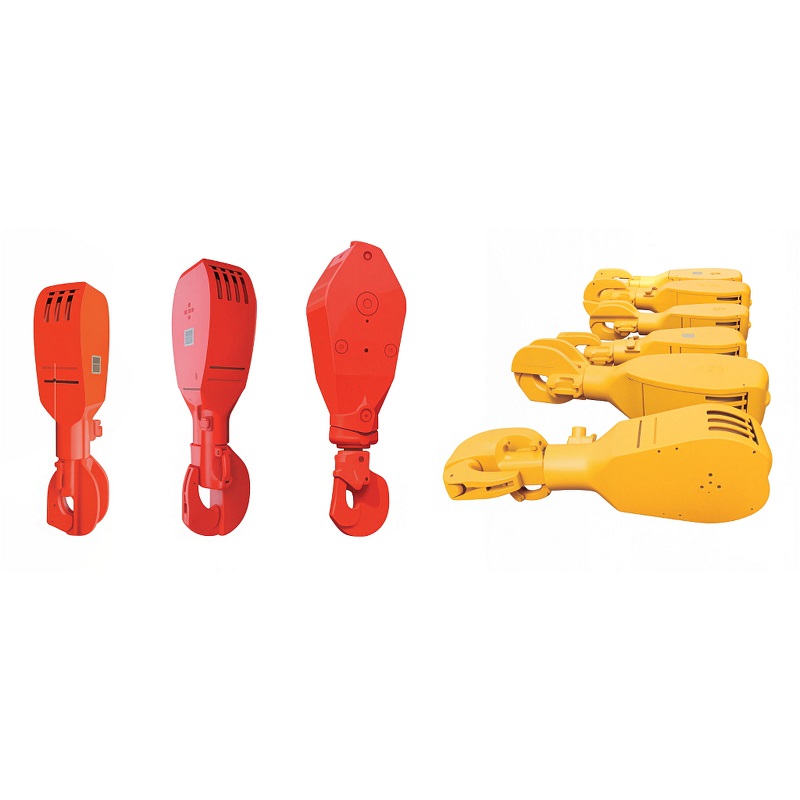
What buyers compare
Keep the decision points specific to this category.
- rated hook load
- matched block class
- rig compatibility
- standards
Technical highlights
Short, factual notes for the category.
Category products
Open the model pages for product-level details and parameters.
This family is represented by the category overview and the related family links below. Use those pages to move into the closest model groups, then request the exact configuration for your working condition.
Adjacent equipment groups
Use these links to move into the closest product families.
Traveling Blocks
Traveling blocks presented as a hoisting component family for rig hoisting work.
FamilyWorkover Rigs
Self-propelled, electric-drive, battery storage, LNG, cold-weather, desert, and mountain workover rigs for varied field conditions.
FamilyDrilling Equipment
Drilling rigs and rig packages for fast-moving, automated, cold-weather, desert, and cluster-well operations.
Application coverage
Where this family is usually used.
Next step
Ask for the matching model with your working condition, capacity target, and mounting preference.
Request a QuoteNews and FAQ
Use these links to move from family selection to the buyer questions that shape it.
What matters most in a coiled tubing unit selection
Pull force, reel capacity, injector layout, and installation speed usually decide the final model.
NewsCold-weather and desert rigs solve different problems
Climate adaptation is not cosmetic; it affects insulation, filtration, heating, and mobility choices.
FAQHow do I choose the right model?
Start from the working condition, target capacity, mounting type, and control preference. Then compare the category-specific fields on the product page before asking for a quotation.
FAQWhat technical information do you need before quotation?
Normally we need the operating environment, target capacity, pressure or load requirement, mounting preference, and any site limitations such as road, climate, or platform space.
FAQDo you provide parameter tables?
Yes, when the source document includes a real parameter table image, the product detail page shows it in a dedicated parameter section.
How to read this family
A short buyer note that explains the decision points behind the page.
Travelling Hook should be checked on rated hook load, matched block class, and rope compatibility.
The hook has to fit the suspension chain cleanly, otherwise the rest of the hoisting package stops being practical.
A useful page should make the load path and rig compatibility obvious before the buyer opens the detail page.
If the hook family has several models, the static load value and pulley arrangement should be compared together.
Wire line diameter and pulley diameter matter because they shape how the hook behaves under repeated lifting work.
The buyer usually also wants to know whether the hook is expected to work with a standard replacement cycle or inside a new-build hoisting package.
A hook that looks close on paper can still be wrong if the matched rig class or rope path changes even slightly.
The page should also explain whether the hook is meant for direct replacement or for a larger hoisting upgrade.
That distinction helps the buyer judge downtime and spare-part planning before the quote is finalized.
A hook page is stronger when it says how the lifting chain is supposed to stay compatible after installation.
That makes it easier to compare the part against the rig already in service.
The best answer is the hook that keeps the hoisting chain stable without forcing a larger rig change.
Extra selection notes
A short expansion for families that need more buyer-facing explanation.
Travelling Hook should be read as the hanging point of the lifting system, so the suspension chain has to be matched carefully.
The static load value is only one part of the decision; block compatibility and rope arrangement matter just as much.
A buyer comparing hook models usually wants to know whether the selected hook still fits the rest of the rig package cleanly.
The most useful detail is the relationship between hook load, pulley arrangement, and the service crew's handling sequence.
For replacement work, the hook should be checked against the existing lifting chain before the quote is finalized.
In practice, the cleanest hook choice is the one that reduces conversion work across the rig's lifting chain.
A clear page also tells the buyer whether the hook is meant to solve a replacement problem or a new-build hoisting problem.
That gives the buyer a better sense of downtime, spare parts, and future service effort.