
Dry Fracturing Equipment
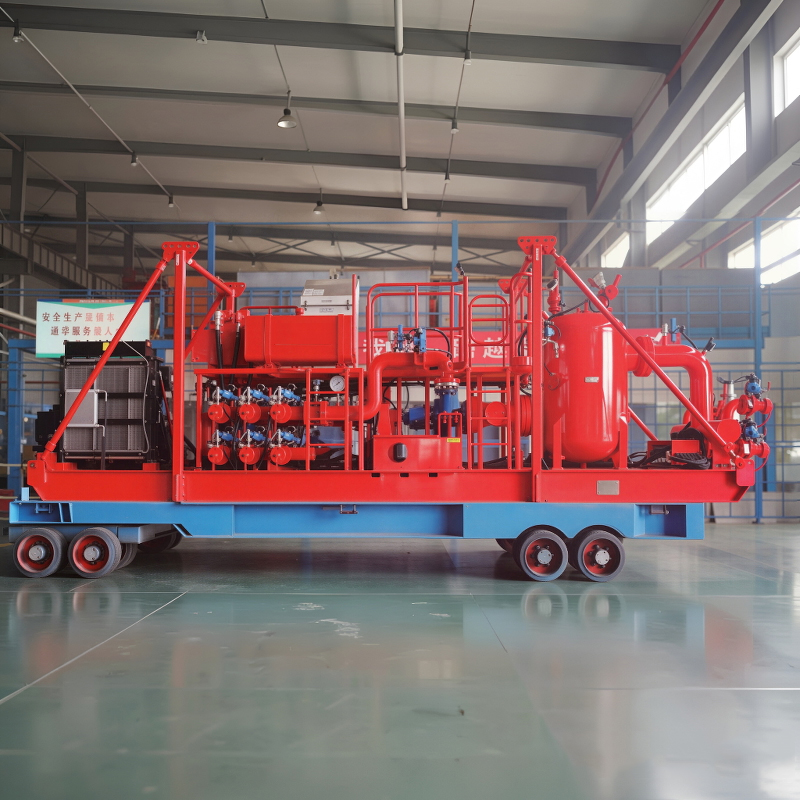
Adopting a skid-mounted structure and equipped with dual booster pumps, one in use and one standby, with an output flow rate of 8m³/min.It has been used in over 300 well layers...
Product introduction
Adopting a skid-mounted structure and equipped with dual booster pumps, one in use and one standby, with an output flow rate of 8m³/min.It has been used in over 300 well layers in Shengli Oilfield
Key features
Short factual bullets extracted from the source text.
- Handling path should support the planned dry-fracturing process.
- Deployment layout needs to stay practical for the spread crew.
- Coordination with the rest of the fracturing line is important.
- Package should help keep the process orderly on site.
- Adopting a skid-mounted structure and equipped with dual booster pumps, one in use and one standby, with an output flow rate of 8m³/min.It has been used in over 300 well layers in Shengli Oilfield.
Application
Used for dry-fracturing service where the handling and deployment sequence is the main focus
Product parameters
| Parameter | Unit | Value |
|---|---|---|
| Model | - | Dry Fracturing Equipment |
| Series Code | - | Model dependent |
| Equipment Type | - | Fracturing package |
| Mounting Type | - | Model dependent |
| Pressure Class | MPa | Model dependent |
| Control Mode | - | Integrated field control |
| Duty Mode | - | Fracturing service duty |
| Fluid Path | - | High-pressure fracturing fluid chain |
| Application | - | Fracturing support and pumping |
| Key Advantage | - | Field-ready package layout for high-pressure jobs |
What buyers check before shortlist
Practical points that help compare this model family with the site condition and installation plan.
- Adopting a skid-mounted structure and equipped with dual booster pumps, one in use and one standby, with an output flow rate of 8m³/min.It has been used in over 300 well layers in Shengli Oilfield.
How to read this model
A short buyer-oriented note for the models that otherwise read too thin.
Dry Fracturing Equipment belongs to the fracturing equipment family and is intended for high-pressure field service.
The shortlist normally depends on pressure class, mounting form, control package, and whether the system is built for continuous duty.
For buyers, the real test is whether the package fits the spread layout without adding unnecessary handling steps.
The page should make the service role, transport form, and operating rhythm visible together.
A good buyer-facing page explains how the unit works inside the spread rather than only naming the equipment type.
How buyers should read this model
A tighter reading guide for shorter product pages.
Dry Fracturing Equipment should be checked on pressure class, displacement, and the pumping chain before the buyer looks at secondary features.
Electric drive, skid mounting, and trailer mounting change the logistics of a spread as much as they change the power source.
A practical page tells the buyer whether the unit is better suited to continuous duty, field mobility, or large-scale pressure work.
The same family name can cover a very different field spread, so the buyer should compare power, transport, and service rhythm at the same time.
If the package includes a sand or mixing chain, that path should be read together with the pressure side instead of in isolation.
The buyer also needs to know whether the spread is intended for a compact job or for a longer multi-machine operation.
Power density, control layout, and field access can change the real value of the package more than the headline series code.
If the unit is paired with a manifold or mixing system, the page should make that relationship obvious before the model list gets too long.
If the spread uses multiple machines, the page should explain how this unit fits the rest of the line rather than standing alone.
A buyer will also compare service rhythm, because long jobs make maintenance access a bigger issue than the headline output.
The layout should show whether the package is meant for compact mobilization or for a longer coordinated fleet.
That distinction matters when the job window is tight and the crew needs repeatable setup steps.
Related reading
Move from the model page to the guidance that explains the same buying family.
Fracturing Equipment
Back to the category guide
NewsElectric fracturing skids versus truck-mounted systems
A buyer-focused comparison of power source, mobility, and continuous working conditions.
FAQHow do I choose the right model?
Start from the working condition, target capacity, mounting type, and control preference. Then compare the category-specific fields on the product page before asking for a quotation.
Related products
Same category options and adjacent use cases.
Fracturing Fluid Continuous Mixing Truck
Fracturing Manifolds Truck
Automated Continuous Sand Conveying Units
Tell us the operating condition, target output, or installation constraint and we will point to the matching model.
Contact Us